

Book companion resource
Profit multiples depend on the quality of the profit
The book explains why buyers look beyond the headline profit and test whether earnings are repeatable after completion.
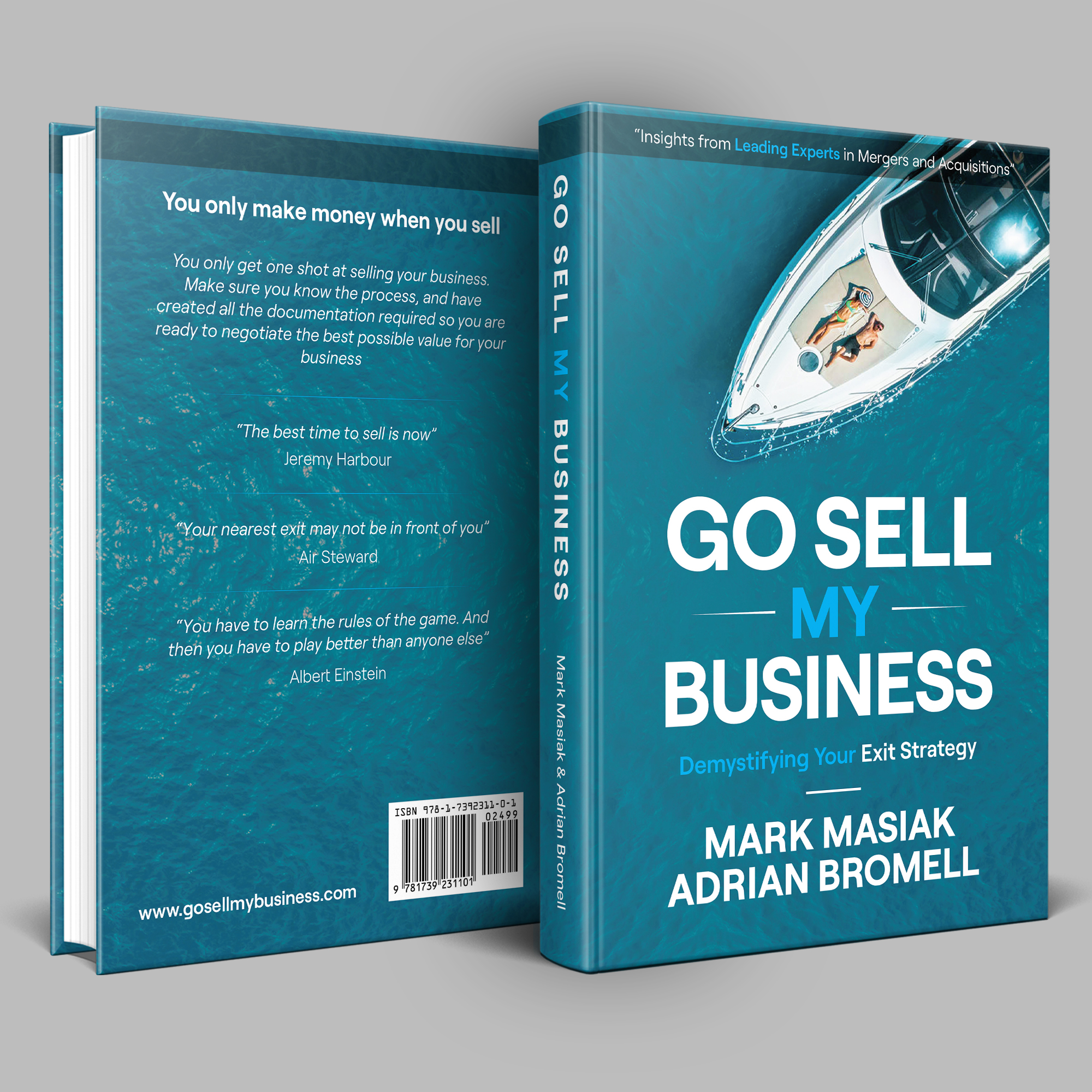
From the book
The book uses profit multiples as a core valuation method, but it does not treat them as magic. A multiple only means something when the profit is understood, adjusted properly, and supported by evidence.
This is where owners often need discipline. It is tempting to add back every possible cost and argue for the highest number. Buyers will not accept that without proof.
What profit multiple buyers look at
Buyers may look at EBITDA, adjusted net profit, or seller discretionary earnings, depending on the business and the type of buyer. The key issue is maintainable profit: what the business can reasonably produce under new ownership.
A financial buyer will usually focus on what the business has already achieved. A strategic buyer may consider additional value from synergies, but they will still test the quality of the existing profit.
What can increase a profit multiple
- Clean accounts and justified adjustments.
- Stable profit over several years.
- Strong cash conversion.
- Low owner dependency.
- Clear contracts, systems, and management depth.
What can reduce a profit multiple
Buyers may reduce the multiple when profit relies on the owner, one customer, weak records, unusual costs, poor margins, or forecasts that feel more like hope than evidence. Deferred payments and earnouts often appear when the buyer is unsure.
This is why the preparation work matters. A stronger profit story can protect valuation and reduce deal friction.
Questions to answer before using a profit multiple
- Which profit measure are you using?
- Which adjustments are fair and evidenced?
- What profit would remain if the owner stepped away?
- Are margins improving or declining?
- Would a buyer need extra working capital?
Next step
Use profit multiple reports as a benchmark, then build the evidence that proves the profit can continue.
How to use a profit multiple report
Use a profit multiple report to understand the range, then build the evidence that supports where your business sits in that range. A business with clean accounts, repeatable profit, low owner dependency, and strong systems should tell a better story than a business with the same profit but more risk.
The report becomes useful when it leads to better questions. Which profit measure is being used? Which adjustments are fair? Which risks would a buyer price down?
Profit quality checklist
- Profit measure used, such as EBITDA or adjusted net profit.
- Evidence for each add-back or normalisation.
- Margin trends over three years.
- Customer, supplier, staff, and owner dependency risks.
- Recurring costs a buyer would still need after completion.
- Forecast assumptions linked to real trading evidence.
What makes profit believable
Believable profit can be traced. It links to sales, costs, payroll, stock, working capital, tax, and bank movement. If profit rises but cash falls, a buyer will ask why. If profit depends on the owner not paying themselves properly, a buyer will adjust it.
The strongest sellers do not wait for buyers to find these issues. They explain them in the pack and show the buyer how the business really performs.
Related book resources
This page works best when it is used with the other companion resources from the book. Most sale problems do not sit in one neat box. Valuation links to cashflow. Cashflow links to profit quality. Buyer strategy links to due diligence. Use the related pages to build a more complete view before a buyer starts asking questions.
- Cashflow preparation
- Business valuation evidence
- Profit multiple reports
- Revenue multiplier reports
- Strategic buyer mapping
- Financial buyer preparation
- Sale preparation templates
- Course support
- Free consultation
Download resource
Use the button below to continue from the book into the related resource area.
DownloadsFrequently asked questions
Is this page a replacement for reading the book?
No. This page supports the book. The book gives the wider context, stories, and sale process. This page helps you take action on the specific topic.
Should every owner prepare this before going to market?
Yes. Even if the final route changes, preparation gives you better questions, better evidence, and more control.
What should I do if I am not ready to sell yet?
Start preparing anyway. The best time to fix weak records, unclear contracts, or owner dependency is before a buyer is asking hard questions.