

Book companion resource
Cashflow template for business owners preparing to sell
The book points to this resource because buyers do not just buy profit. They test whether the business can fund itself after completion.
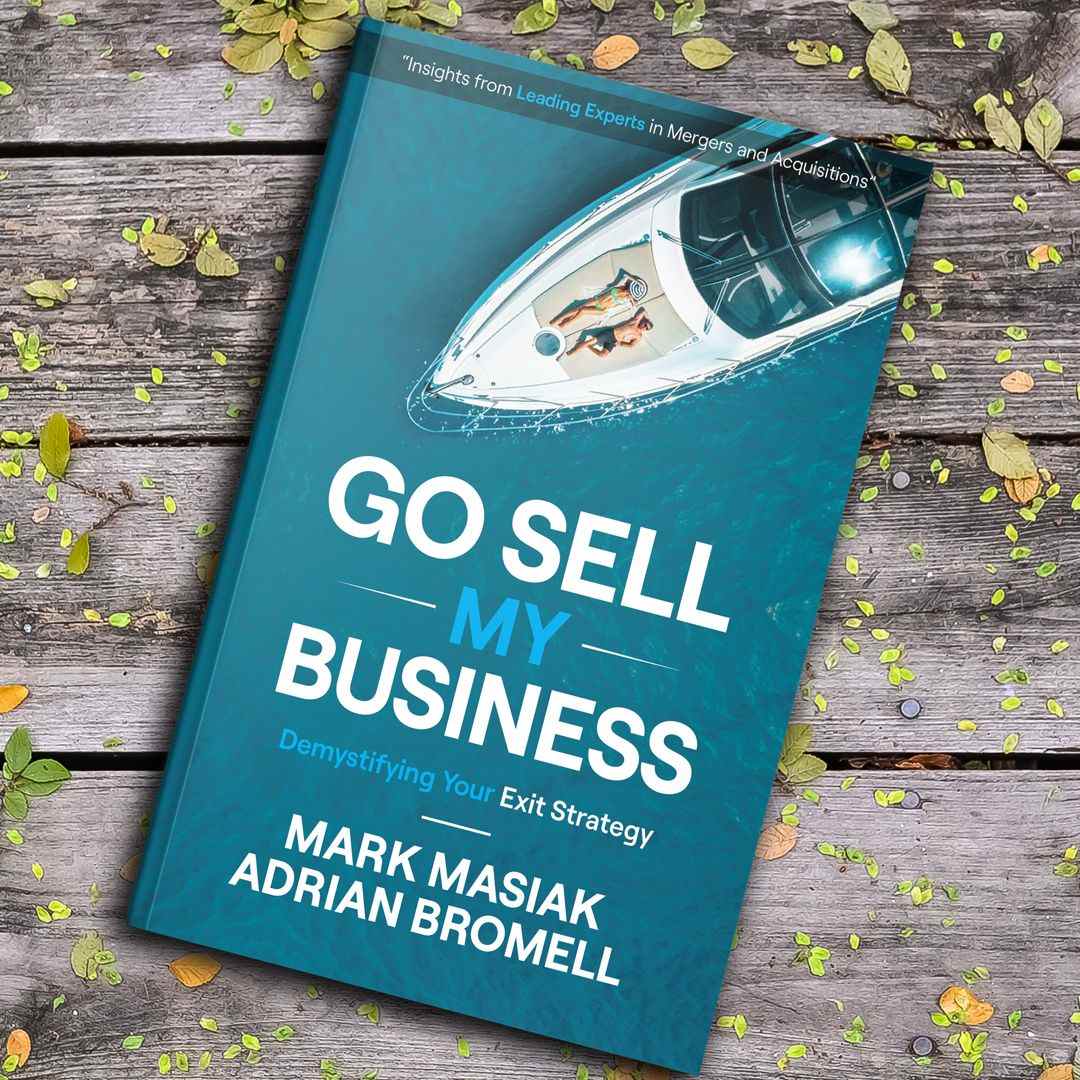
From the book
In the USA edition, the Cash Flow Template appears inside the valuation chapter when the book explains how a seller may need to rebuild a practical view of cash from bank statements. That matters because many smaller businesses do not have clean management accounts, and buyers still need to understand what cash really moves through the company.
The point is simple. A buyer can like the story, the market, and even the owner, but weak cash evidence creates doubt. Doubt slows the process, reduces trust, and gives the buyer reasons to lower the offer or change the deal structure.
Why buyers care about cashflow
Cashflow tells a buyer whether the business can survive normal trading pressure. It shows whether customers pay on time, whether suppliers need careful management, whether payroll is comfortable, and whether the business relies on the owner constantly moving money around.
Profit can look healthy while cash is tight. A buyer will notice this. They will ask whether the business needs extra working capital, whether debt repayments are manageable, and whether any hidden lifestyle or owner expenses need to be adjusted before valuation.
Cashflow questions buyers may ask
- How quickly do customers pay invoices?
- Are debtor days improving or getting worse?
- Which costs are fixed, seasonal, or one-off?
- How much cash is tied up in stock, work in progress, or unpaid invoices?
- Are there owner expenses that need to be normalised?
- Can the business fund growth without constant owner support?
What to prepare before you speak to buyers
Prepare monthly cash summaries, bank statement notes, debt schedules, customer payment patterns, supplier payment terms, payroll commitments, and a clear explanation of unusual movements. Buyers do not expect perfection. They expect honesty, evidence, and a seller who understands the numbers.
If there are lifestyle expenses in the business, identify them early. If there are genuine one-off costs, explain them clearly. If a cost is essential to trading, do not remove it just to make the figures look better. Due diligence will find the truth.
Common cashflow mistakes
- Confusing revenue with cash.
- Ignoring tax, payroll, and debt timing.
- Removing costs that a buyer would still need.
- Failing to explain customer payment delays.
- Hiding weak months instead of explaining them.
Next step
Use this page as the working companion to the cashflow section in the book. Rebuild the cash story before buyer conversations begin. A clear cashflow pack gives buyers fewer reasons to hesitate.
How to use this cashflow resource
Read the cashflow section in the book first, then use this page to turn the idea into evidence. Start with the last twelve months of bank statements, sales receipts, supplier payments, payroll, tax payments, loan payments, and owner drawings. The aim is not to create a perfect finance department overnight. The aim is to show a buyer that the money story can be followed.
If the business has seasonal peaks, slow customer payments, or months where the owner had to support the business personally, note those points clearly. A buyer will be less concerned by a known issue than by a surprise they discover later.
Cashflow evidence checklist
- Monthly bank balance movement for at least twelve months.
- Sales receipts matched to customer payment patterns.
- Supplier payment terms and any stretched creditors.
- Payroll, tax, rent, loan, and lease payment timing.
- Owner drawings, dividends, and personal costs paid by the business.
- One-off costs, unusual receipts, and seasonal movements explained in plain English.
What strong cashflow tells a buyer
Strong cashflow does more than support valuation. It helps a buyer see that the business can keep trading after completion, fund working capital, pay staff, invest in growth, and cope with normal bumps in trading. That matters if the buyer plans to use debt or needs confidence that the business will not need extra cash immediately after the deal.
The better the cash evidence, the easier it becomes to defend the price, explain the deal structure, and reduce the number of late-stage questions.
Related book resources
This page works best when it is used with the other companion resources from the book. Most sale problems do not sit in one neat box. Valuation links to cashflow. Cashflow links to profit quality. Buyer strategy links to due diligence. Use the related pages to build a more complete view before a buyer starts asking questions.
- Cashflow preparation
- Business valuation evidence
- Profit multiple reports
- Revenue multiplier reports
- Strategic buyer mapping
- Financial buyer preparation
- Sale preparation templates
- Course support
- Free consultation
Download resource
Use the button below to continue from the book into the related resource area.
DownloadsFrequently asked questions
Is this page a replacement for reading the book?
No. This page supports the book. The book gives the wider context, stories, and sale process. This page helps you take action on the specific topic.
Should every owner prepare this before going to market?
Yes. Even if the final route changes, preparation gives you better questions, better evidence, and more control.
What should I do if I am not ready to sell yet?
Start preparing anyway. The best time to fix weak records, unclear contracts, or owner dependency is before a buyer is asking hard questions.