

Book companion resource
Business valuation is evidence, not guesswork
The book shows why valuation is more than a multiple. Buyers value profit, cash, risk, assets, timing, and transferability.
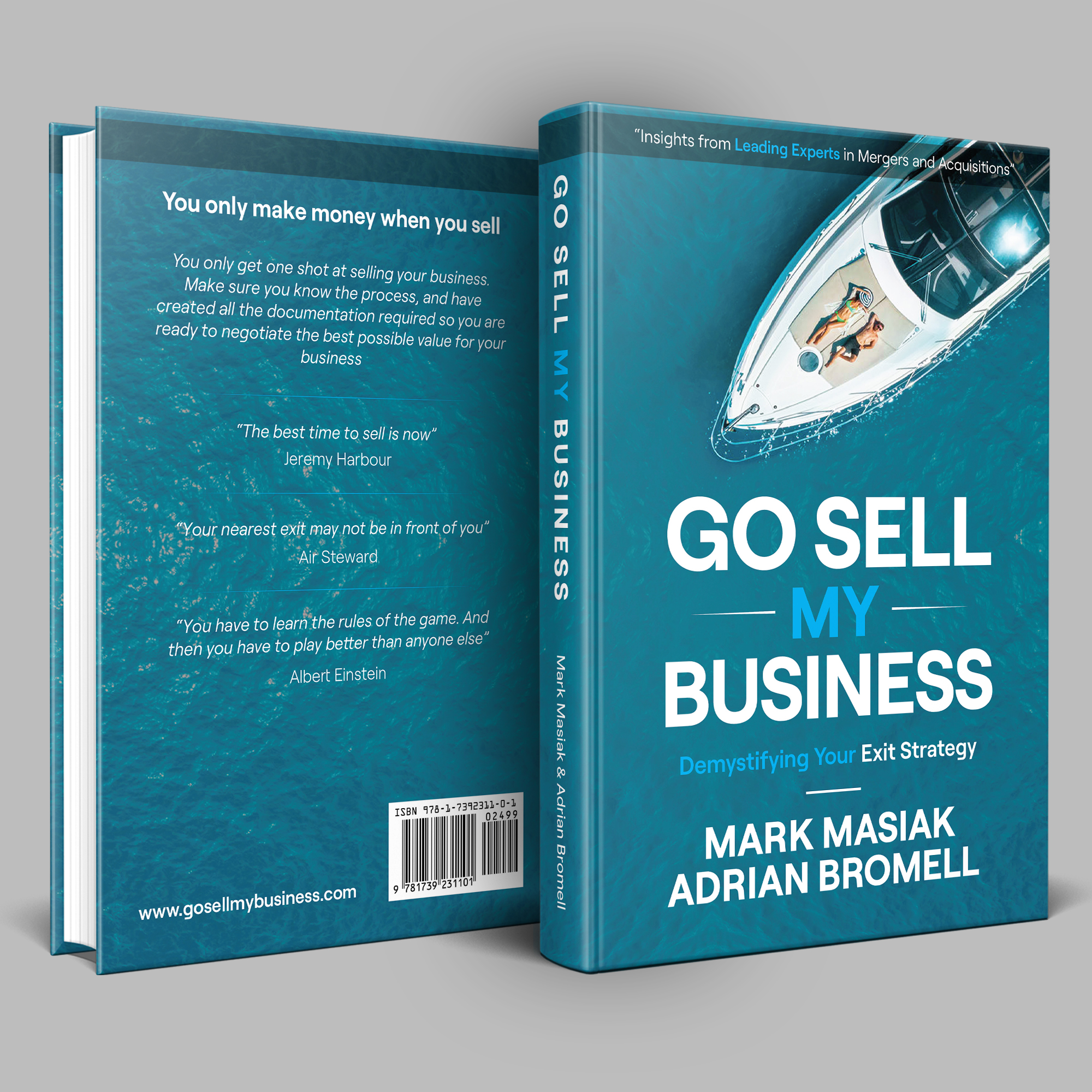
From the book
The valuation chapter is one of the strongest parts of the manuscript because it gets practical quickly. It explains that there are many valuation methods, but SME owners need to understand the methods buyers actually use and the evidence behind them.
The scaffolding example is the lesson in one story. The seller thought a multiple of three applied to turnover. The reality was more complex. There were assets, depreciation issues, intercompany billing questions, and hidden owner expenses. That is exactly why a valuation should not start with a guess.
What buyers really value
A buyer is not only buying historic profit. They are buying future confidence. They look at the accounts, cashflow, contracts, management team, customer relationships, systems, assets, and the risk they will inherit after completion.
Two buyers can value the same business differently. A financial buyer may focus on maintainable earnings and debt capacity. A strategic buyer may pay more because the business gives them customers, geography, intellectual property, staff, or market position.
Valuation methods covered in the book
- Multiple of profits.
- Discounted cash flow.
- Revenue multiple method.
- Book value or asset value.
- Distressed liquidation value.
Evidence that supports valuation
Prepare adjusted accounts, a clear profit bridge, notes on exceptional costs, contract summaries, customer concentration, asset schedules, debtor and creditor summaries, and a realistic growth story. If you claim an adjustment, show why it is fair.
The book is clear on this point: buyers protect themselves. If your valuation rests on weak assumptions, they will challenge it during due diligence.
Mistakes that weaken valuation
- Using turnover when profit is the relevant measure.
- Accepting a broker valuation without testing the assumptions.
- Adding back costs that a buyer would still need.
- Ignoring working capital and debt.
- Pricing the business emotionally instead of commercially.
Next step
Build a valuation pack before you ask for a valuation opinion. The better your evidence, the better your conversation with buyers, advisers, and potential investors.
How to use this valuation resource
Use this page before speaking to brokers, buyers, lenders, or advisers. Write down the valuation number you hope for, then list the evidence that would make a buyer believe it. If the evidence is thin, the issue is not the number. The issue is the preparation behind the number.
The book makes valuation practical because it connects the method to the business reality. A multiple is not a valuation by itself. It is the result of profit, cash, risk, transferability, buyer appetite, and timing.
Valuation preparation checklist
- Three years of accounts and the latest management figures.
- Adjusted profit schedule with evidence for every add-back.
- Cashflow summary and working capital notes.
- Customer concentration and contract summary.
- Asset, debt, lease, and liability schedule.
- Owner role, management depth, and handover risk notes.
How buyers challenge a valuation
Buyers challenge valuation by testing the assumptions. They may ask whether a cost is really one-off, whether the owner can step away, whether customers will stay, whether margins are sustainable, and whether forecast growth has already been proven. These questions are not personal. They are how buyers protect themselves.
A prepared seller can answer calmly because the evidence is already organised. An unprepared seller often has to defend the price with opinion, and opinion rarely survives due diligence.
Related book resources
This page works best when it is used with the other companion resources from the book. Most sale problems do not sit in one neat box. Valuation links to cashflow. Cashflow links to profit quality. Buyer strategy links to due diligence. Use the related pages to build a more complete view before a buyer starts asking questions.
- Cashflow preparation
- Business valuation evidence
- Profit multiple reports
- Revenue multiplier reports
- Strategic buyer mapping
- Financial buyer preparation
- Sale preparation templates
- Course support
- Free consultation
Download resource
Use the button below to continue from the book into the related resource area.
DownloadsFrequently asked questions
Is this page a replacement for reading the book?
No. This page supports the book. The book gives the wider context, stories, and sale process. This page helps you take action on the specific topic.
Should every owner prepare this before going to market?
Yes. Even if the final route changes, preparation gives you better questions, better evidence, and more control.
What should I do if I am not ready to sell yet?
Start preparing anyway. The best time to fix weak records, unclear contracts, or owner dependency is before a buyer is asking hard questions.